Ask any seasoned e-commerce seller who has spent the last five years navigating Southeast Asia: What's the hardest part about doing business here?
The answer rarely has anything to do with traffic generation or fierce competition. More often than not, it's this: "Once my goods leave the factory, I lose sleep over them."
Southeast Asia's e-commerce market has surpassed $200 billion, growing at over 15% annually. Yet logistics costs here eat up nearly 20% of GDP—double that of China, four times that of the United States.
The challenge isn't simply that shipping is "slow" or "expensive." It's a complex web of fragmented geography, volatile regulations, and congested ports—a perfect storm that can turn a profitable shipment into a financial black hole.
Over the past year, our team has been on the ground in Indonesia, Vietnam, and Thailand, working alongside hundreds of sellers through their most stressful moments. We've seen what goes wrong—and more importantly, we've built the systems to make it right.
This article breaks down the four core logistics challenges in Southeast Asia and the practical solutions we've developed to address them.
If logistics is the circulatory system of cross-border trade, customs is its most vulnerable valve. In Southeast Asia, a single administrative error can bring your entire supply chain to a grinding halt.
The Reality:
Indonesian customs maintains strict documentation requirements. Minor discrepancies in HS codes, import licenses (API), or certificates of origin (FORM E) can result in forced returns or confiscation.
Policies shift frequently and without centralized notice. In early 2026, Vietnam implemented Decree No. 46 on food safety management. The lack of clear transitional guidelines left over 1,300 trucks of agricultural goods stranded at border checkpoints, with businesses facing daily losses of 1.8 million VND per refrigerated container.
Document authenticity is another hidden risk. Several importers have faced penalties after their suppliers provided fraudulent certificates of origin—and as the declarant of record, the importer bears full responsibility, regardless of intent.
What We've Learned:
Customs complexity in Southeast Asia stems from uneven digitization, inconsistent enforcement, and opaque policy updates. Sellers relying on secondhand information from forwarders—or assuming their buyers will handle everything—are navigating a minefield blindfolded.
Southeast Asia isn't a single market—it's a fragmented archipelago of over 17,000 islands. This fundamental reality renders the "next-day delivery" mindset obsolete.
By the Numbers:
Last-mile delivery accounts for over 53% of total logistics costs—meaning the profits you fight for on the front end can be quietly consumed by the ocean on the back end.
Inter-island shipping relies on small vessels with limited schedules. Shipping from Jakarta to Sulawesi traditionally takes 7-10 days, with logistics costs often exceeding 20% of the product's selling price.
What We've Learned:
A single nationwide courier network cannot solve Southeast Asia's geography. The real solution lies in strategic inventory placement: getting goods as close to the end consumer as possible, then moving them via optimized sea routes rather than piecemeal快递.
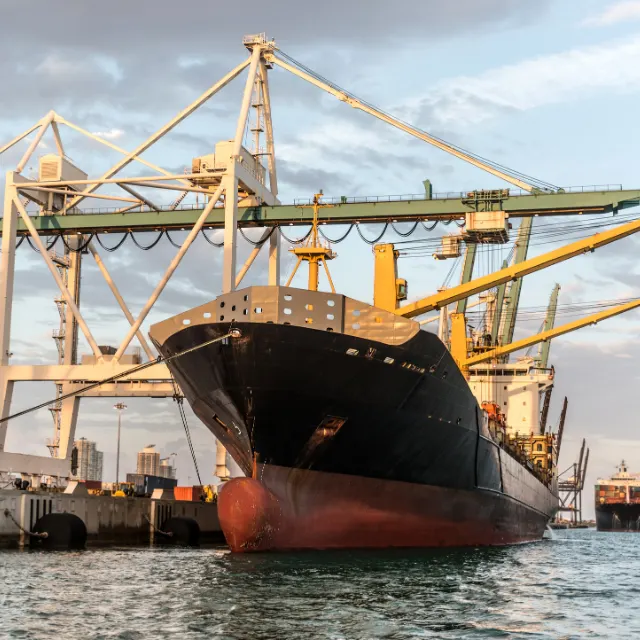
If geography is a chronic condition, port congestion is the acute crisis that can strike without warning.
Recent Developments:
In early 2026, Tanjung Emas Port in Semarang, Indonesia, faced severe operational disruptions. Surging throughput, holiday road restrictions, and canceled feeder services forced the terminal to implement strict "gate-in" restrictions: containers could not be accepted before designated operating hours, and early staging was prohibited.
Even perfectly prepared shipments were left drifting offshore for days, missing critical sales windows.
This is not an isolated incident. During upgrades at Ho Chi Minh City's Tan Son Nhat Airport, air freight clearance delays of 12-24 hours cost stakeholders an estimated $500,000 daily. At one point, Shanghai-Jakarta 40-foot container rates hit $2,000—briefly surpassing transpacific rates to the US West Coast.
What We've Learned:
Port congestion is here to stay. Supply chain resilience isn't about avoiding disruptions—it's about having contingency plans ready when they occur.
Beyond clearance and congestion, the documents themselves have become a new risk vector. ASEAN trade agreements offer valuable tariff preferences, but they've also spawned a gray market in fraudulent certificates.
Common Scenarios:
Procurement side: Your overseas supplier provides a certificate of origin that looks legitimate—but turns out to be forged. Customs audits reveal the truth months later, and you're on the hook for back taxes and penalties.
Export side: You're unaware of mandatory product certifications (Indonesia's SNI, Thailand's TISI). Your货物 arrives at port, cannot clear, and sits indefinitely while you scramble to comply.
What We've Learned:
Compliance isn't a one-and-done paperwork exercise. It's a dynamic process requiring continuous monitoring of regulations, supplier due diligence, and professional oversight from end to end.
Faced with these challenges, sellers often ask: "Is success in Southeast Asia just a matter of luck?"
The answer is no. The sellers who thrive here don't treat logistics as a transactional shipping function—they treat it as a strategic advantage. Based on hundreds of client engagements, we've built a solutions framework built on four pillars:
We maintain local compliance teams in Vietnam, Thailand, Indonesia, and Malaysia. These aren't desk-bound translators—they're experienced professionals who deal directly with customs authorities and port operators daily.
Pre-shipment audits: Every shipment undergoes HS code verification, certification checks, and document completeness review. In 2025 alone, our audits prevented over 200 potential clearance incidents.
Priority clearance lanes: Our AEO certifications and long-standing relationships enable "pre-clearance" processing—documentation completed before vessels arrive, reducing clearance time by an average of 35%.
Regulatory early warnings: When Vietnam's Decree 46 took effect, we provided detailed guidance to every Vietnam-bound client 48 hours in advance. While 1,300 trucks were stranded, our clients cleared without incident.
We've built a two-layer system combining strategic warehousing with optimized inter-island routing:
Overseas warehouse network: Strategically located in Jakarta, Surabaya, Medan, and Makassar, enabling local stocking and local dispatch.
"Sea trunk + island feeder" model: Consolidated sea freight to hub ports, then fast small-vessel connections to outer islands. We've cut delivery times to remote locations by 30% and reduced last-mile costs by over 20%.
COD returns processing: Dedicated returns centers at major warehouses handle inspection, repackaging, and resale—cutting client return losses by an average of 60%.
We don't promise you'll never face congestion. We promise you'll never face it alone.
Multi-modal alternatives: When primary ports clog, we activate backup routes—alternate discharge ports, trucking corridors, or combined sea-land routing—within hours.
Early warning system: Real-time data feeds from port authorities trigger client alerts up to 48 hours before disruptions, with actionable recommendations: accelerate, divert, or delay.
Strategic buffer stock: We help key clients maintain safety stock in regional warehouses, ensuring peak seasons aren't derailed by shipping delays.
Document verification: Direct verification channels with ASEAN issuing authorities ensure certificates of origin and permits are legitimate before you rely on them.
Supplier due diligence: We assess overseas suppliers' compliance capabilities before you commit, catching potential document fraud at the sourcing stage.
Client education: Regular training sessions keep your team current on classification rules, certification requirements, and regulatory changes.
A Nantong textile exporter reached us in distress: a $44,000 fabric shipment bound for Jakarta had been refused by their buyer upon arrival. The goods had been sitting at port for over two weeks, with demurrage charges mounting daily.
We conducted an immediate investigation. Indonesian customs records revealed the root cause: the HS code declared by the exporter did not match the import license held by the buyer—a fatal mismatch under Indonesian law.
By the time we were involved, the goods had been delayed for over three months. The buyer refused cooperation; return shipping costs were prohibitive. Ultimately, the shipment was abandoned.
That loss, however, became the foundation of a lasting partnership. Since then, we've handled every shipment for this client with full pre-departure audits. Over the past year, they've completed more than 20 exports to Indonesia:
Zero customs incidents
5 percentage point reduction in logistics cost-to-sales ratio
This experience reinforced our core belief: The real value of logistics partnership isn't measured by how we handle crises—it's measured by how many crises we prevent.
We often tell clients: Success in Southeast Asia isn't a gamble—it's a supply chain marathon. The "sudden" disruptions that sink unprepared sellers are almost always predictable. The "unsolvable" geographic challenges have practical solutions—they just require the right approach.
Our role isn't to provide a tracking number. It's to serve as your supply chain partner on the ground: handling compliance before issues arise, optimizing routing to control costs, responding instantly when disruptions occur, and building systems that turn logistics from a liability into a competitive advantage.
If you're doing business in Southeast Asia—or planning to—we'd welcome the opportunity to discuss how we can support your success.
Every shipment you entrust to us is a testament to what we build together.